

We’ve heard it all before—natural light is the best light source for photography. It’s versatile, highly accessible, and has a broad spectrum. May it be landscapes, portraits, or product shots, everyone seems to agree. But while the jewelry industry is in unison with other industries, one thing remains to be the cause of debate—lighting standard.
Natural daylight, to put it simply, is light from the sun that enters through a window or skylight. From this, you can say that natural daylight is white light with yellowish cast from the sun and scattered from bluish sky. But this is where it gets tricky because the elements that make natural daylight may vary from one geographic location to another, not to mention the external factors that influence them. For instance, the way pollution scatters sunlight in different ways than the earth’s atmosphere does. In a polluted city, natural daylight might mean, yellow or orange skies during the day. So, what gives?
Thankfully, natural daylight can be mimicked using a light source with color temperature between 5000K-5500K, a white color light, just the equivalent of direct midday sunlight. In this article, we explore the crucial role that white light plays in jewelry photography.
Read on!
1. Simulates natural daylight

As if we couldn’t stress it enough, white light that ranges between 5000-5500K is the closest to daylight and going to 6000K makes your light source become too blue.
This type of lighting is advantageous in many ways. It gives off balanced illumination that would make your jewelry pieces look bright and natural, as if your viewers are viewing them from outdoors. Additionally, white light is also key to consistent lighting with its consistent and stable color spectrum that’s vital for capturing the true, natural colors of metals and gemstones.
2. Captures true colors
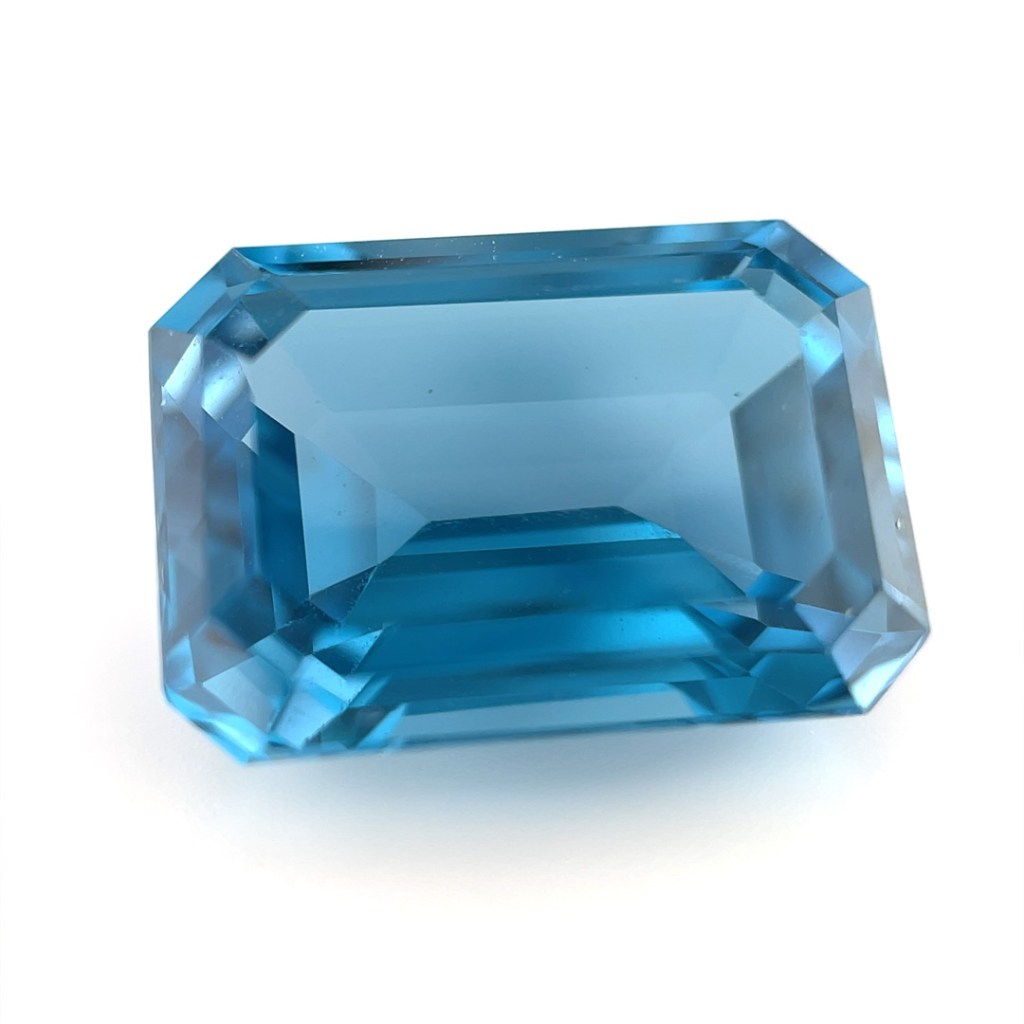
When it comes to representing colors, especially for colored gemstones, color accuracy is critical as it could cost you your credibility. Using white light prevents misrepresentation as this color range avoids unwanted tints that may distort or alter the natural hues of gems and jewelry. And who wouldn’t want to see a realistic gemstone appearance, right? With white light, blue stones appear blue and reds appear red; thereby, taking out the guesswork from the buyers’ journey as buyers are confident that they’re looking at the true color of the gems.
3. Enhances brilliance and sparkle
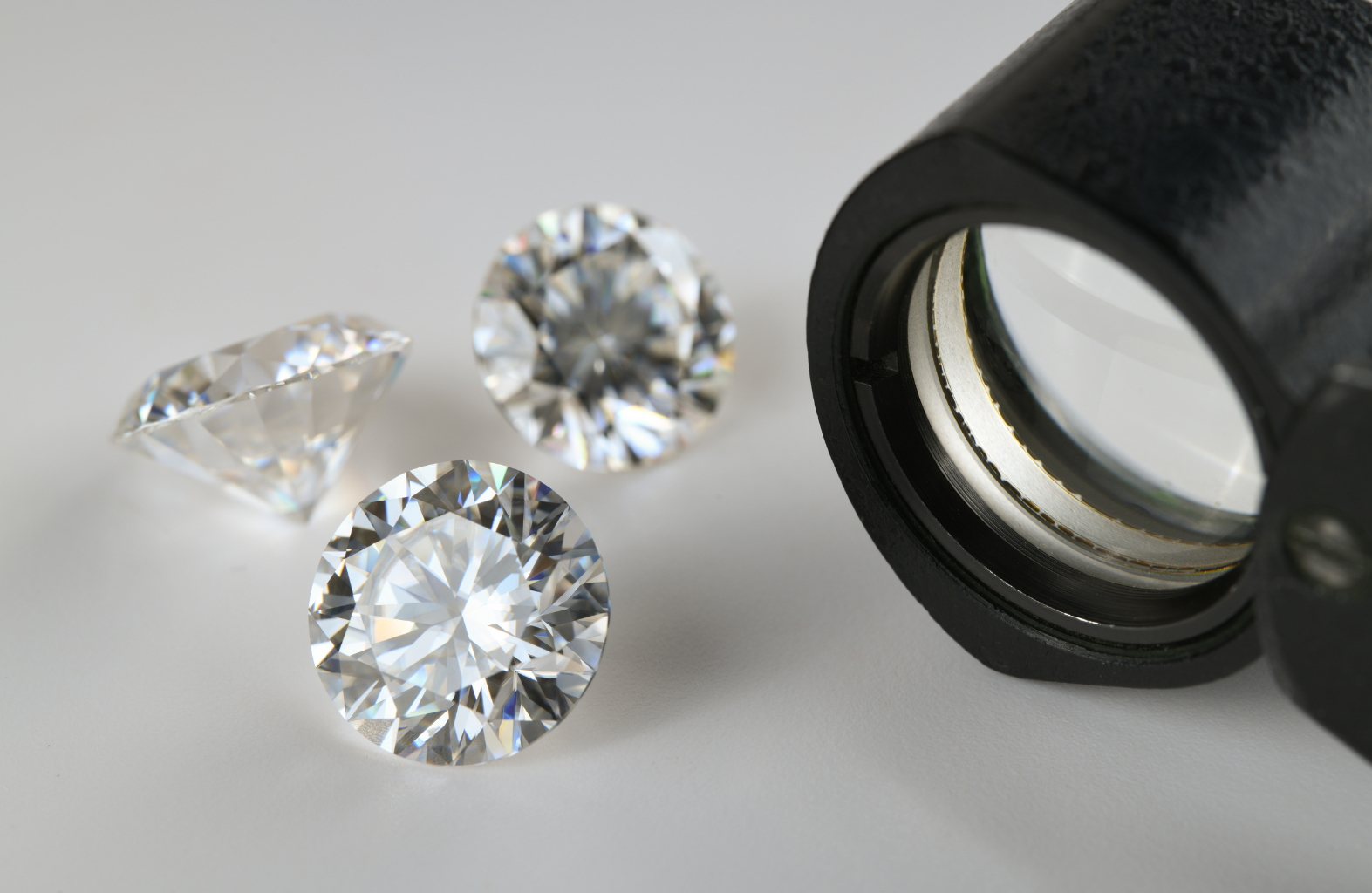
White lights in 5000-5500K range allow for optimal interaction with light; thereby, enhancing the natural brilliance and fire of a gemstone. This is particularly useful for diamonds as diamonds, having high refractive index, exhibit brilliance and fire that can be accentuated with white light; hence, maximizing their sparkle. But don’t overdo it though as white light, when overused, can cause overexposure, creating blowouts.
4. Reduces over and underexposure

The beauty of using white light in the range of 5000-5500K lies in the way it prevents the occurrence of overexposure or underexposure, especially for highly reflective objects. This enables you to maintain fine details without the washed-out areas. Furthermore, this white light creates softer shadows and reduces harsh contrasts that could deviate buyers’ attention from major selling points like your jewelry features and intricate designs.
5. Helps you setup with ease
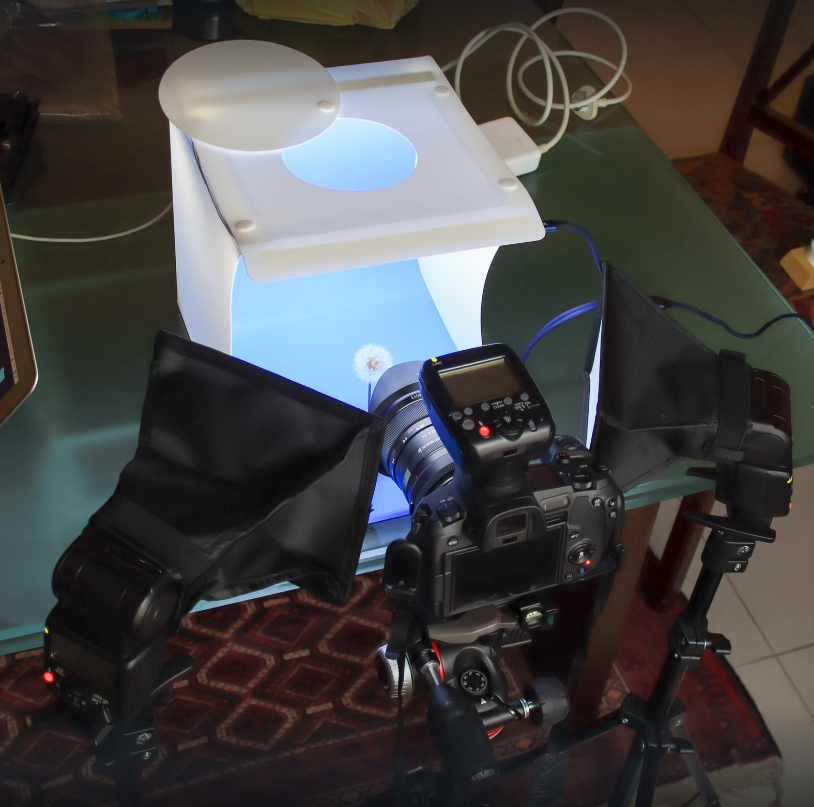
If sourcing for photography equipment appears too stressful or confusing for you, especially if you’re not a professional photographer, then incorporating white light into your photography work can lift off this pain point. This is because most photography kits, especially those designed for product photography, are calibrated to this color temperature; thus, ensuring high accessibility for both pros and newbies.
6. Showcases depth and clarity
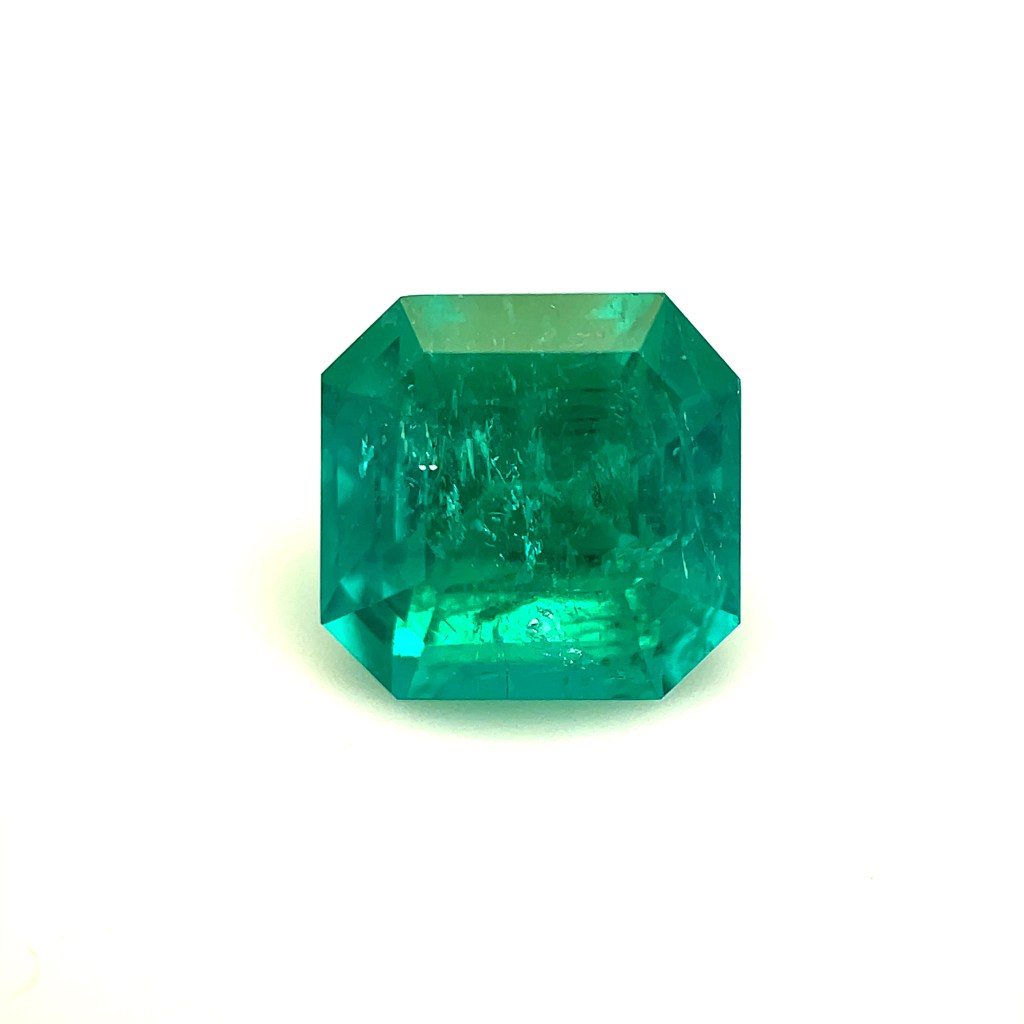
If you’re working with transparent stones, opt for a white light as it helps illuminate their clarity; thereby, allowing potential buyers to appreciate the internal characteristics and properties of your gems. This also works for those gems with unique inclusions as white lights captures those unique details without the overpowering color casts that you would get when using other color light or color temperature.
Summary
To conclude, white light is essential for capturing unique details, enhancing brilliance and fire, representing greater color accuracy, and demonstrating depth and clarity. Its accessibility combined with its perfect simulation of natural daylight makes achieving stunning jewelry photos a breeze. As with all other things, finding the right balance is essential to unlocking the maximum visual appeal.


Leave a Reply