
Table of Contents
- Understand Your Customer Profile
- Improve Product Presentation with Professional Visuals
- Refine Your Brand Positioning
- Price Strategically, Not Emotionally
- Build a Curated Jewelry Catalog
- Leverage Social Media as a Sales Tool
- Optimize Your Online Store for Conversions
The jewelry industry continues to evolve, and 2026 is shaping up to be one of the most competitive years yet. With more brands selling online, stay one step ahead of the competition by improving your jewelry sales with better visuals, and better descriptions.
Customers are not just looking for a statement piece of jewelry, they are looking for a brand that resonates with them, and a story to tell when they wear your beautifully shot piece they see on social media or your website.
Whether you sell gemstone, diamonds, or fine jewelry, the key to increasing sales comes down to clear positioning, strong visuals, smart pricing, and a focused marketing strategy. If you’re looking to grow your jewelry business in 2026, these practical tips will help you attract the right customers and convert interest into sales.
1. Understand Your Customer Profile
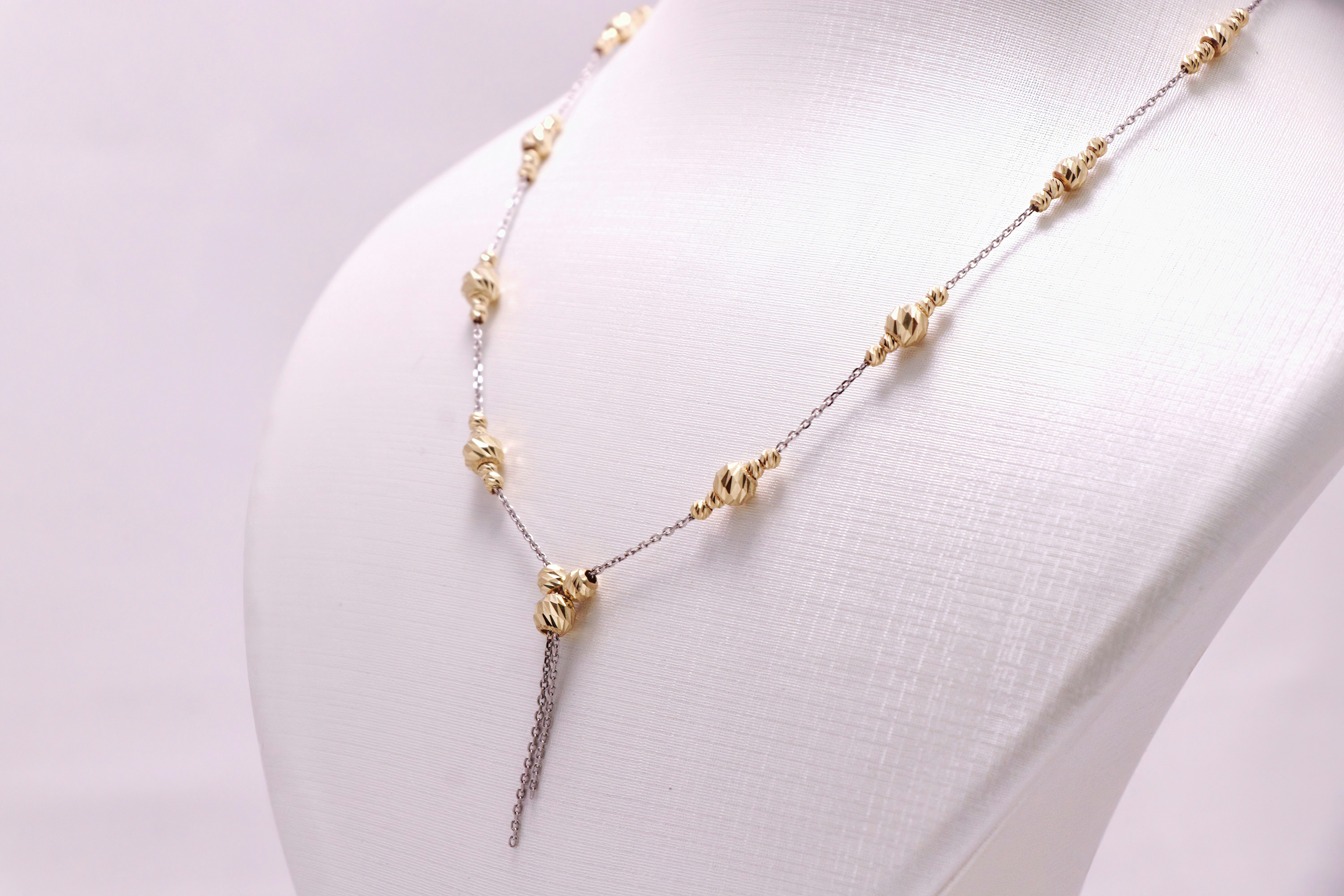
Jewelry is one of the most challenging products to photograph, with so many factors such as metal reflection, Today’s jewelry customers are informed, intentional, and visually driven. A clear brand identity makes it easier for customers to choose you over competitors.
While you may have already decided on your niche of jewelry, you must also be aware of your target audience that would be interested in this specific niche. For example, if you are selling handmade wire-wrap pieces, your customer profile may differ from a diamond ring seller; not only because of price point, but also function, aesthetics, and personal preference.
To improve your sales, start by understanding:
- Who your ideal customer is
- Why they buy jewelry (self-purchase, gifting, milestones)
- What is the current style in trend for your niche of jewelry
- Where they discover brands (Instagram, TikTok, online stores)
Once you identify your customer base and their needs, you might be able to better craft your jewelry pieces to match. In addition, if your lifestyle photos are able to fit their aesthetics, you will be able to catch their eye when they are scrolling and potentially convert them to a sale.
To further simplify your workflow, GemStudio can create authentic and versatile lifestyle images from your product shots using AI technology; making your images social media and e-commerce ready in one-click.
2. Improve Product Presentation with Professional Visuals
High-quality product photos and videos are one of the biggest drivers of jewelry sales. Online shoppers can’t touch or try on your pieces, so your visuals must do the heavy lifting.
In 2026, customers expect:
- Sharp, well-lit photos that show true color and detail
- Clean backgrounds for ecommerce listings
- Short videos or 360° views to see sparkle and scale
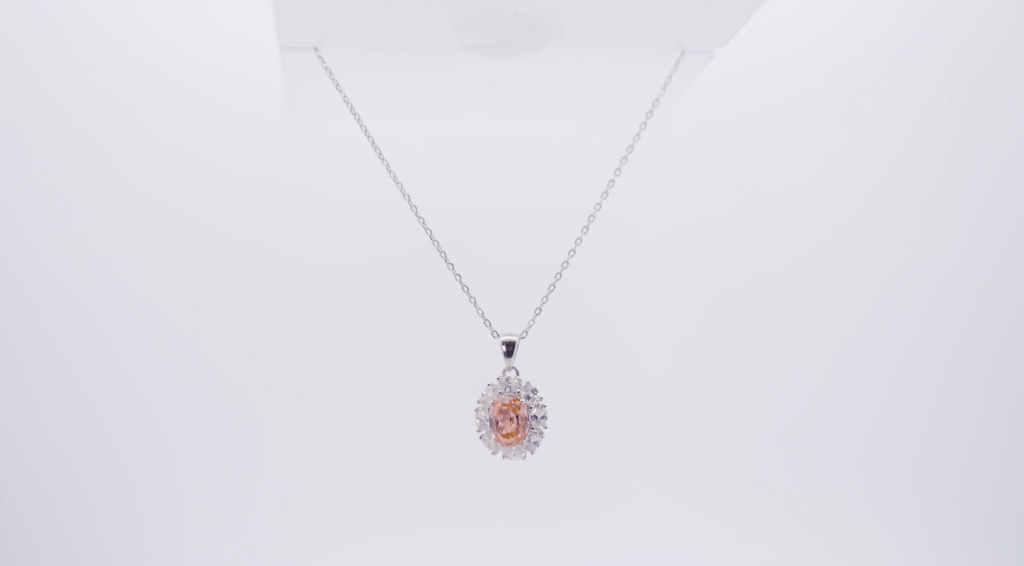
Tools like GemLightbox Pro allow jewelers to create studio-quality images that fulfill all the above quickly and consistently, even on a budget. For even cleaner and pro shots, GemCam Pro helps capture engaging videos that highlight brilliance and craftsmanship, all key factors in driving conversions.
For those considering an upgrade to any of these tools, for a limited time until 31 December 2025, any purchase of the GemLightbox Pro will guarantee a US$1000 cashback to give back to our supportive jewelers.
3. Refine Your Brand Positioning
Besides the visual factor, good storytelling also appeals to customers. Customers now are not only looking for a good piece of jewelry, but the story and the intent behind the piece. A good description about the piece itself could be the difference between a consideration, and an actual sale. Coming up with jewelry descriptions one by one may take a long time, luckily, GemHub is able to come up with intelligent and convincing captions for each unique piece with one click.
When positioning your branding in your storytelling, ask yourself:
- What makes your jewelry special to you?
- Do you emphasize craftsmanship, design, or affordability?
- How is your jewelry different from other brands or pieces in the same niche?
Strong positioning helps customers quickly understand what you offer and whether your jewelry fits their lifestyle. In a crowded 2026 market, clarity is a competitive advantage.
4. Price Strategically, Not Emotionally
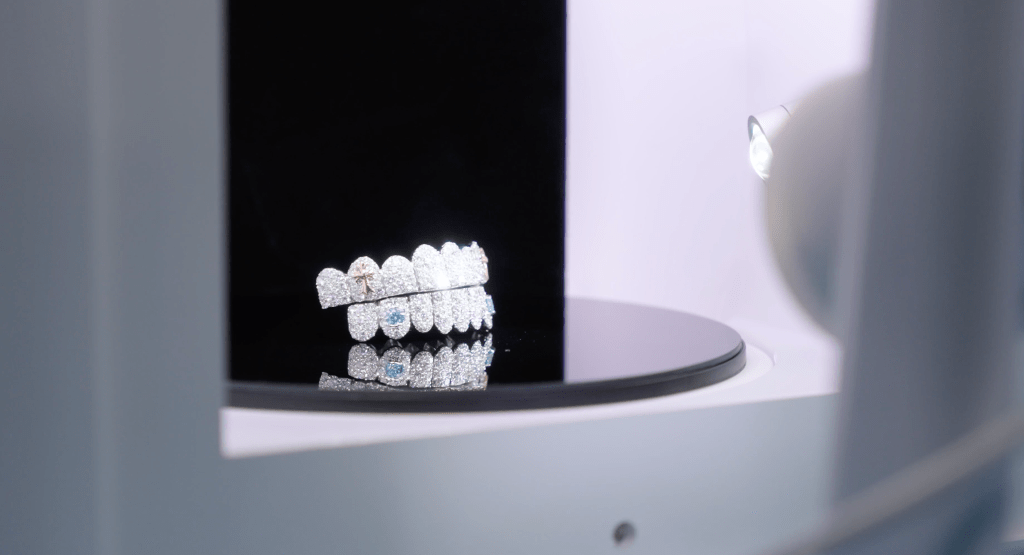
With the economy and prices of items surging in 2026, pricing is one of the most common challenges for jewelry brands. Being in an industry commonly associated with luxury and exclusivity, keeping your price in a decent range to justify your craftsmanship and materials as well as attainable by your target audience is key.
To improve sales in 2026, your pricing must feel justified and aligned with your brand.
Consider:
- Material and production costs
- Perceived value based on presentation and branding
- Competitor pricing within your niche
Regularly reviewing your costs and sales data helps you adjust pricing confidently. Small tweaks such as bundling products or introducing entry-level pieces can significantly improve conversion rates without lowering your brand value.
5. Build a Curated Jewelry Catalog
With so many competitors, especially online, customers can be overwhelmed and may be inclined to not scroll through so many due to the shorter attention span and various other brand options constantly popping up.
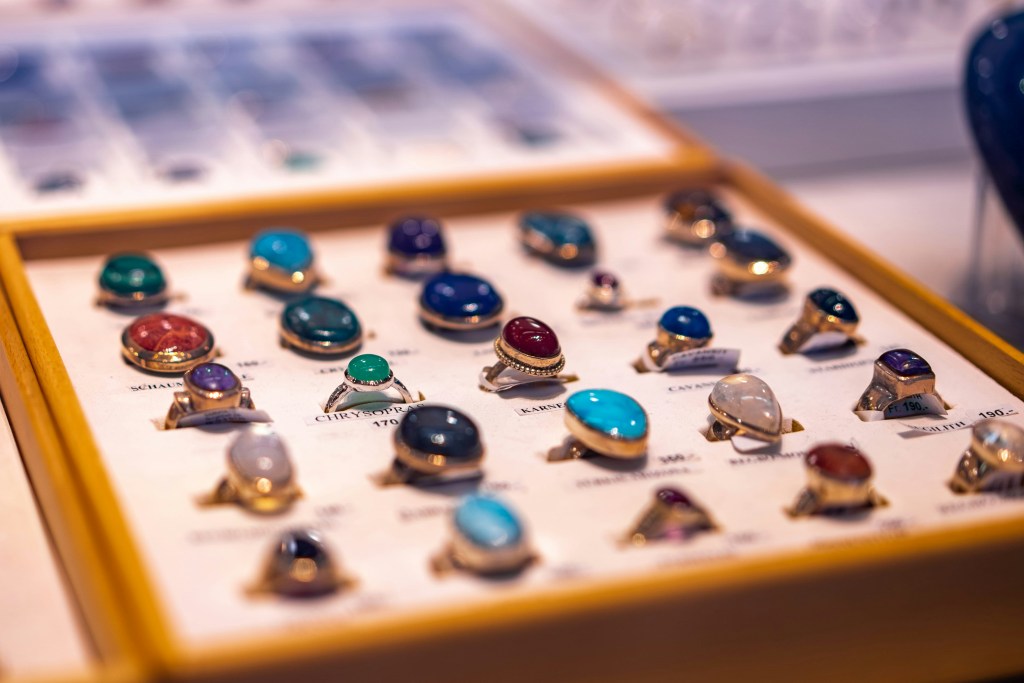
In order to keep your customer’s attention, instead of launching large collections, focus on a tight, well-curated jewelry catalog.
Your Catalog should include:
- 5–10 hero pieces that define your brand
- Bestsellers you can consistently promote
- Seasonal or limited-edition drops to create urgency
In 2026, scarcity and storytelling continue to influence buying decisions. Highlight why each piece exists and what makes it special.
6. Leverage Social Media as a Sales Tool
Social media is no longer just about awareness, it’s a direct sales channel. Platforms like Instagram and TikTok play a major role in jewelry discovery and purchase decisions.
To improve sales:
- True to life images that feature your pieces in its natural shine
- Use short-form videos to show sparkle and wearability
- Share behind-the-scenes content to build trust

Tools like the GemLightbox Pro and GemCam Pro can help to create true-to-life images of your jewelry as if your customers were holding in their hands. To give an additional sparkle to your pieces to enhance consideration, consider the GemSparkle to return the natural shine to your pieces online.
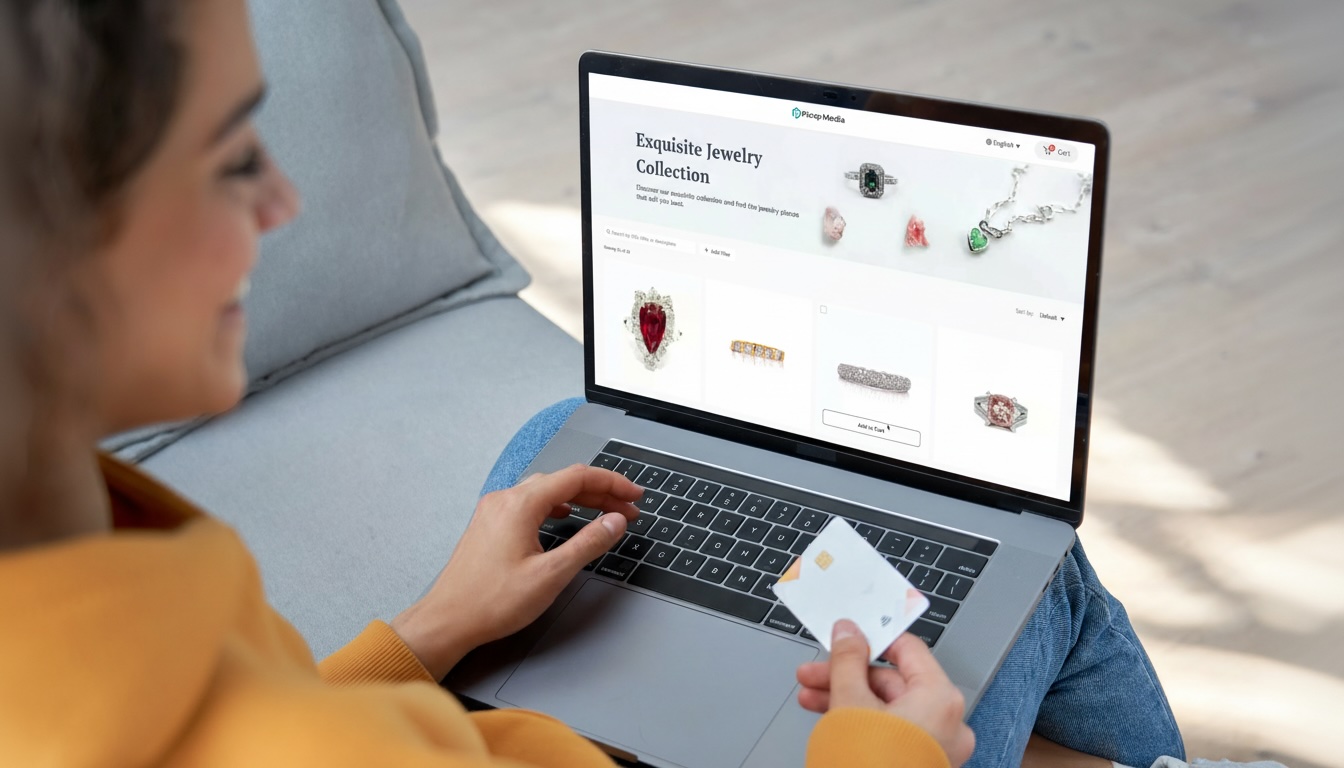
7. Optimize Your Online Store for Conversions
While social media can drive traffic to your website, your sale is not closed until your customers click the check-out button. Your website must convert visitors into customers, and you can do so with an optimal website flow:
In 2026, a strong jewelry ecommerce store should include:
- Clear product photos and videos
- Detailed descriptions with materials and sizing
- Easy navigation and mobile-friendly design
- Visible trust signals like reviews and guarantees
When customers are taken through a polished online experience, it enhances purchase intent and reduces hesitation at checkout.
Final Thoughts
Improving your jewelry sales in 2026 isn’t about doing everything, it’s about doing the right things well. Clear positioning, strong visuals, smart pricing, and focused marketing work together to build trust and drive conversions.
By investing in better product presentation, understanding your customers, and refining your strategy, you set your brand up for long-term growth. With the right tools and a consistent approach, your jewelry business can stand out, sell confidently, and thrive in the year ahead.



Leave a Reply