
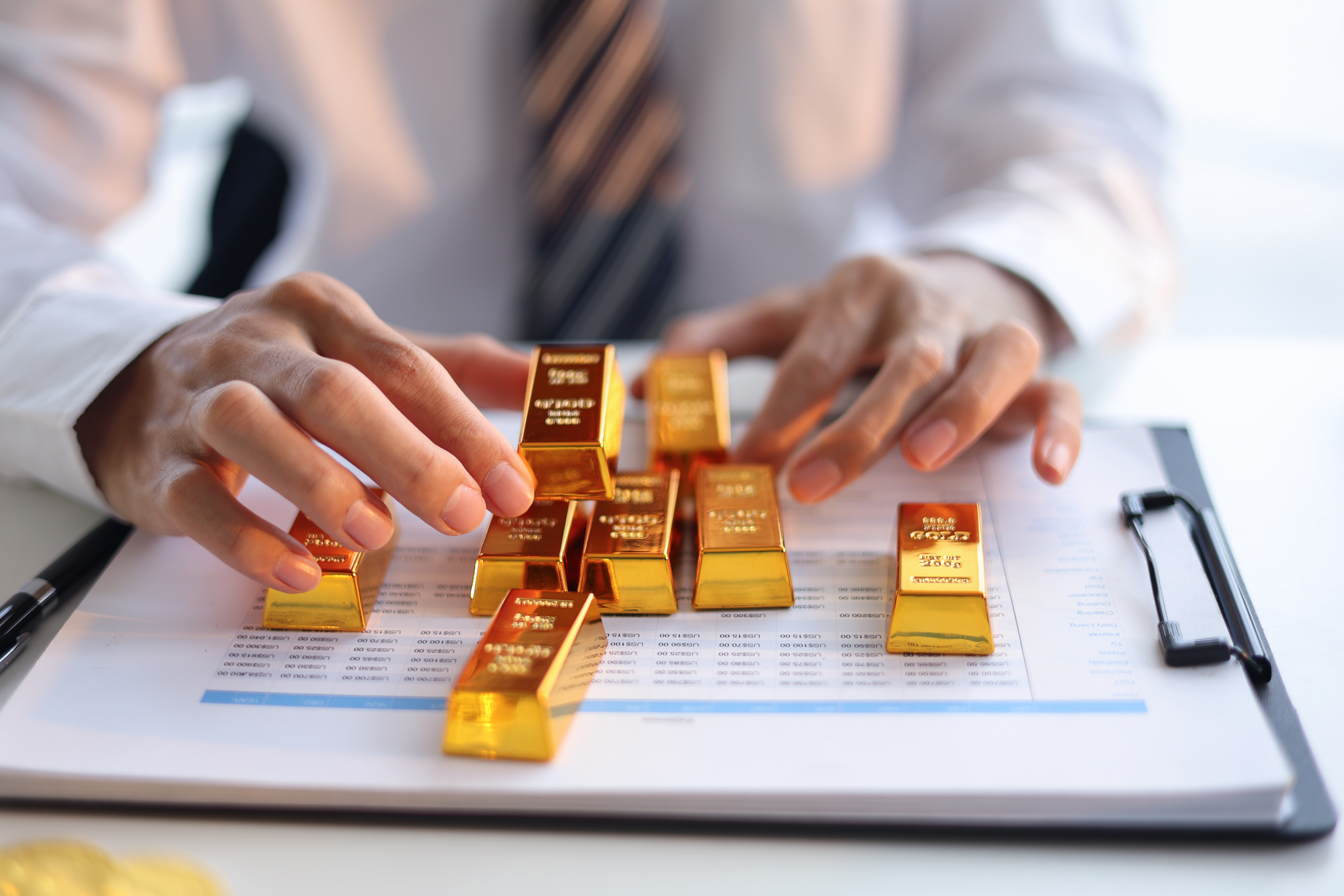
Gold prices have been through extraordinary swings. After breaching the $5,000 per ounce mark early in the year — even touching record peaks above $5,500 — the market has shown pronounced volatility with sharp corrections yet still trading far above where it was 12 months ago. Spot gold is now hovering around the high-$4,000s per ounce range, broadly up more than 60–70% year-over-year.
Key forces driving this environment include:
- Safe-haven demand amid economic and geopolitical uncertainty. Investors and central banks remain active buyers as stock market volatility and debt concerns persist, giving gold its status as a hedge asset.
- Extreme price action. The market has swung dynamically — hitting historic highs and then pulling back sharply — prompting a mix of speculative and fundamental trading responses.
- Consumer behavior shifts. In major consumption markets like India and China, elevated gold prices have softened jewelry buying interest as consumers weigh investment versus adornment purchases.
- Retail jewelry demand remains resilient. Seasonal and cultural buying occasions such as Valentine’s Day continue to show robust interest in fine jewelry despite pricing swings.
- Local market nuances. In some regions, the high price environment has curiously boosted business for physical bullion and gold jewelry alike, as customers view gold as tangible wealth, even converting heirlooms to meet financial needs.
The takeaway for jewelers is this: gold price is no longer a static input you plug into tags once or quarterly. It’s something that moves visibly, frequently, and materially enough that it impacts both inventory cost and the conversation you have with customers.
What This Means for Jewelers Today
1. Replacement cost now updates in real time:
The price you paid last month for casting or a custom job may already be materially below current spot. In an environment where costs jump or retract by several hundred dollars an ounce within weeks, your pricing cadence has to match that rhythm to protect margins and avoid surprises at point of sale.
For most retailers, the cost impact shows up not in abstract theory but in daily operations — the next PO you write, the next custom quote you issue, and the next piece you price face to face with a customer.
2. Selling “value” is more important than ever:
When spot price climbs, metal value alone can dominate a customer’s perception of price. But as price volatility grows, the customer’s perception of craftsmanship, design, finish, and clarity of presentation becomes the distinguishing factor between purchase and pause.
3. Rapid, consistent visuals are operational tools:
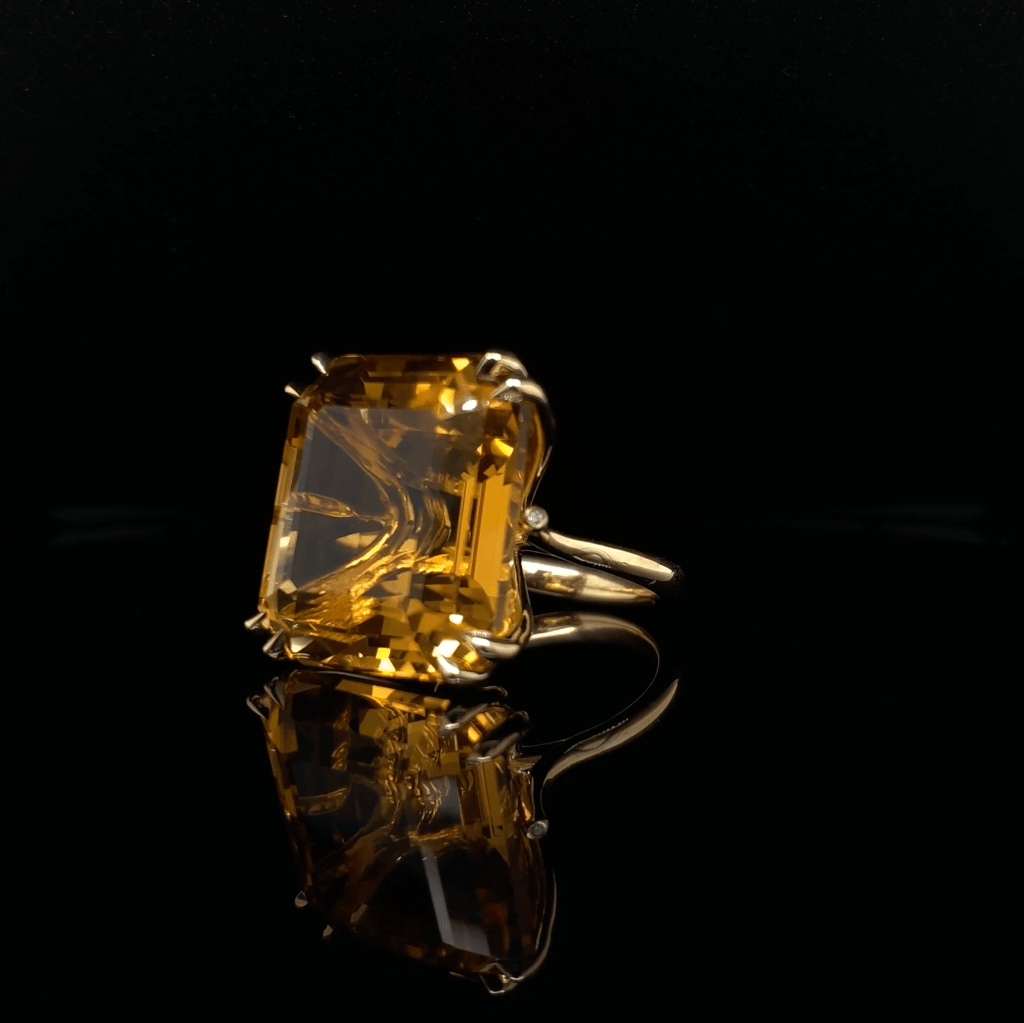
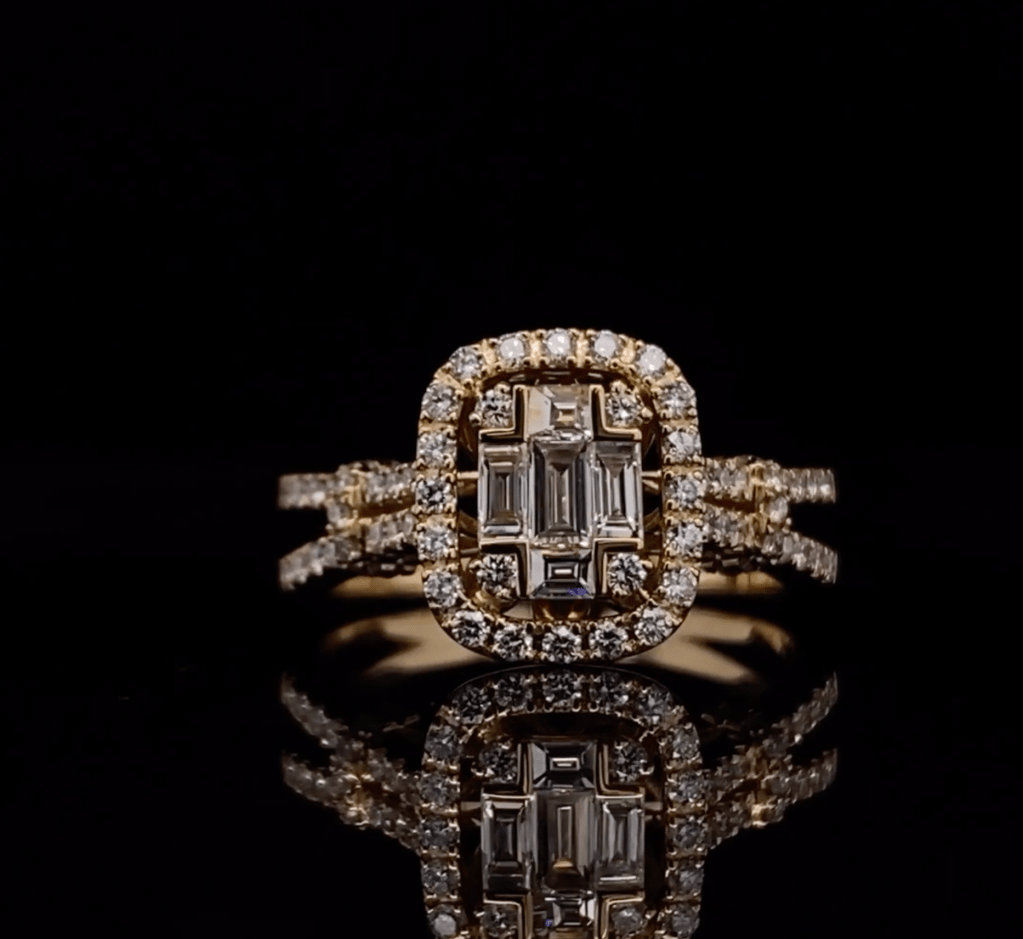
When price tags adjust, the fastest way to make a new price feel fair isn’t a justification on paper. It’s a visual story that shows exactly what the customer is paying for — the surface finish, gemstone cut, profile, scale relative to hand, and how the design works in real life.
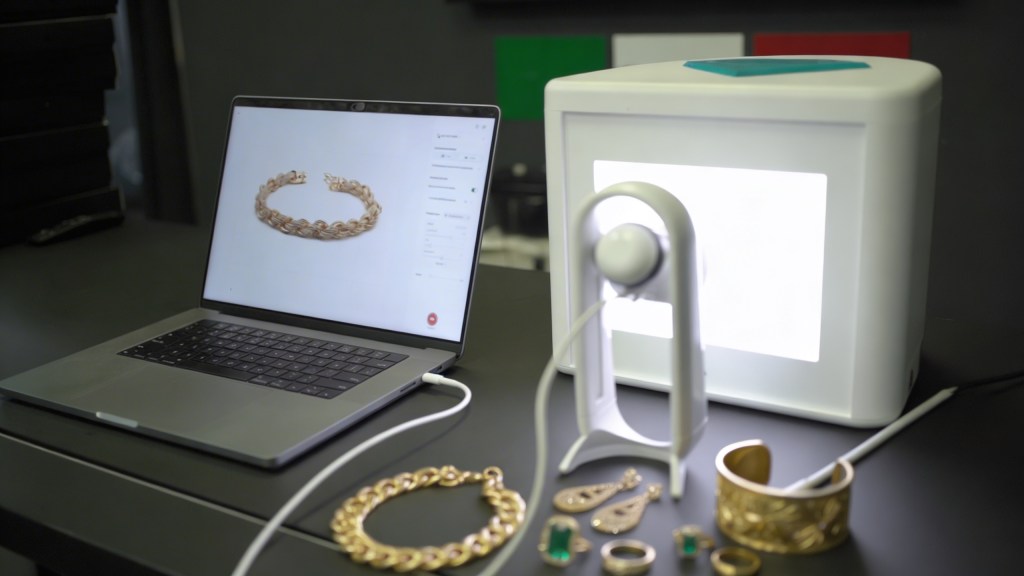
Local product photography and short video clips have shifted from being a marketing nice-to-have to an operational requirement:
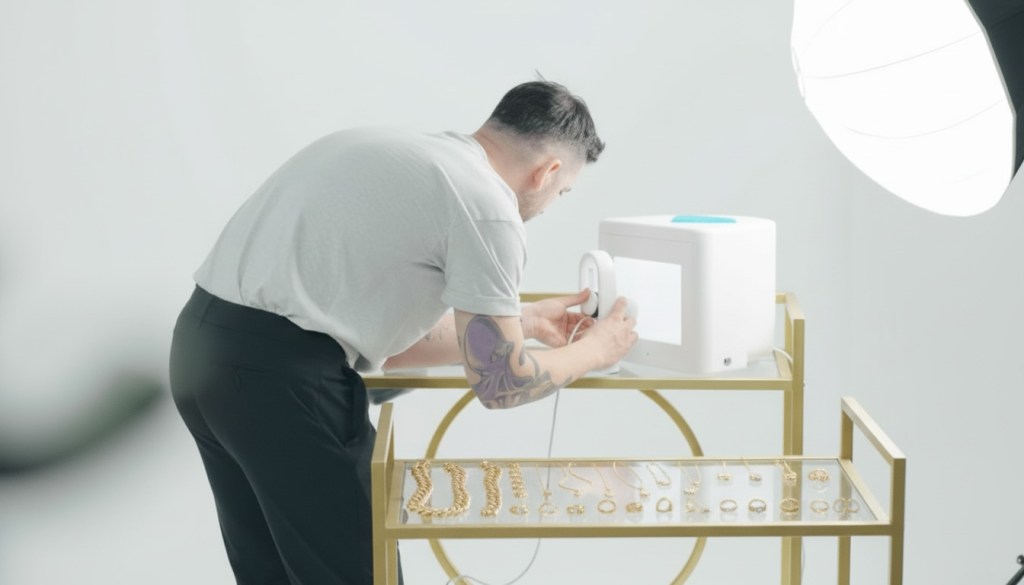
- Jewelers are now rephotographing pieces when prices change so that online listings, quotation emails and social posts reflect the latest reality without guesswork.
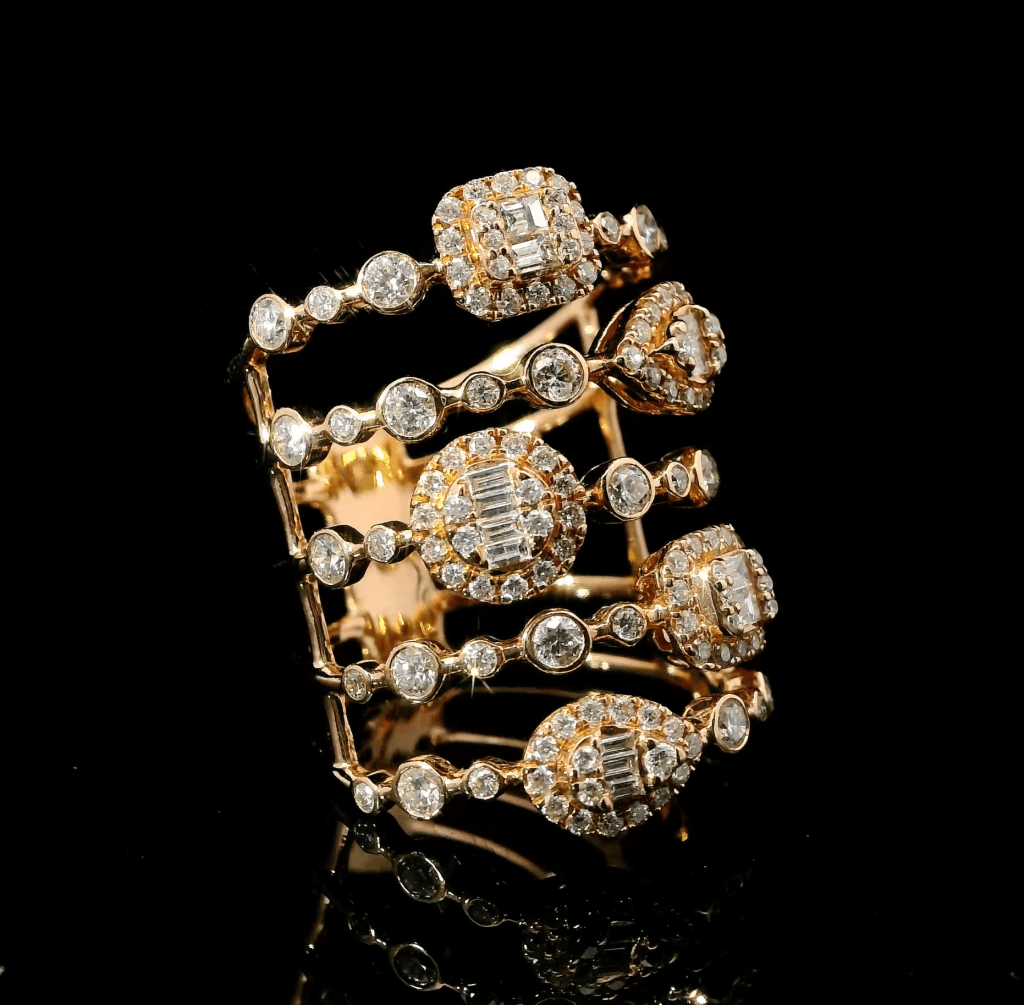
- Macro-capable stills and short clips capture finish detail and craftsmanship that static tags alone cannot convey — and do so consistently, so customers don’t feel the need to “see it in person first.”
- Sales teams rely on visuals to close the gap between updated price and customer confidence instantly.
In volatile pricing environments, high-quality imagery helps close sales by shifting attention to craftsmanship and design story — not just the metal cost number.
Why Photography Matters More Now
In our 2025 market overview, we highlighted that “what customers actually see: tighter stories, better visuals” becomes a differentiator when prices are rising. That dynamic hasn’t faded. If anything, it’s amplified.
Here’s why continued investment in quality photography and visual storytelling matters in early 2026:
- Price transparency increases trust. When customers see detailed photos or short clips of the exact piece they are quoting, they feel assured that the value lies in workmanship and design, not just grams.
- Rapid repricing needs rapid reshoots. A consistent light setup and macro-friendly capture tool mean that visuals can be updated at the same pace as tags — eliminating guesswork and reducing friction in sales conversations.
- Visuals reduce disputes. Customers who have seen clear, faithful images are less likely to push back on price changes, because they understand what they’re buying and why.

Businesses that treat photography as a core part of pricing and merchandising — not just marketing — are the ones adapting fastest to the current price regime.
Bottom Line
The gold price environment in early 2026 is marked by record highs, pronounced volatility, and ongoing demand shifts. For jewelry retailers and designers, this translates to an operational imperative: you must integrate high-clarity product visuals into your pricing, quoting, and selling workflows so that customers evaluate quality and craftsmanship first, not just the cost of gold.
That’s the lens through which today’s market moves from being a pricing challenge to a commercial opportunity.


Leave a Reply