

Times are a-changin’. Sustainability in jewelry is no longer a trend that wanes. It pushed itself to the center stage and has become a core value in the industry. This is not surprising considering that consumers have also fundamentally changed. Whereas before, consumers thought the design of the piece to be the first factor for purchase consideration, now, consumers look for the brand first. Who made it? how was it made? and what was it made of? All these ruminations point towards one thing—sustainability.
Sustainability in jewelry refers to the transparent and responsible sourcing practices in the jewelry supply chain, encompassing the use of materials and the entire lifecycle of the product. It, therefore, encapsulates that a brand must not only use ethically sourced materials but also that the entire manufacturing process does not harm the environment and should support a circular economy.
The fact that consumers are on board with it demands that jewelry brands increase their sustainability appeal. McKinsey & Company, a strategy and management consulting firm, reports that 67% of European consumers consider sustainable materials to be a critical purchasing factor and 63% consider a brand’s promotion of sustainability in the same way.
So, how do all these sustainability talks transform jewelry e-commerce? There are many key areas involved. Let’s take a look.
1. Ethical sourcing of materials
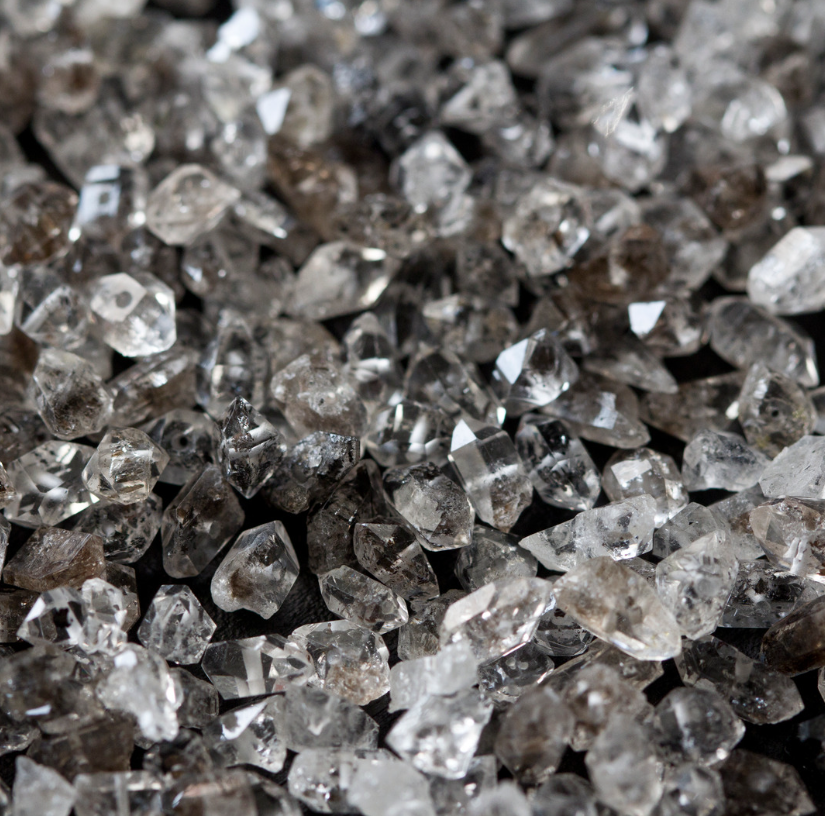
- Conflict-free diamonds and gemstones
In simple terms, conflict-free diamonds are diamonds (or gemstones) that are not used to fund wars, terrorism, or any other conflict linked to human rights abuses. This is highly relevant, especially with the ongoing war between Russia and Ukraine, leading to the upshot of direct and indirect import bans on Russian diamonds by the G7 countries.
Since state-owned company Alrosa is one of the largest suppliers of diamonds in the world, this sanction is one of the biggest shakeups of the diamond industry that can change the diamond trade forever. Jewelry brands need to respond swiftly by diversifying and looking for alternative sources. During this time, we also see an accelerated shift towards lab-grown diamonds; thereby, pushing it forward to the mainstream with big brands like Pandora even betting on it.
- Fairtrade materials
ethical sourcing also includes brands supporting Fairtrade Standards to ensure that workers, especially miners and their families, are earning a living wage and working under safe working conditions.
Fairmined and Fairtrade International are two initiatives whose certifications guarantee that metals and gems are extracted from certified mines that comply with the highest standard of protection for people and the environment.
2. Traceability, transparency, and certification

Technology is at the center of every brand’s response to the changing diamond trade. Sustainability in jewelry is non-existent if the stakeholders cannot trace the material from the origin to the final product. To do this, jewelry brands turn to blockchain technology which tracks raw materials from place to place and throughout its transformation. The system assigns a serial number to the raw material. This data cannot be edited and therefore, is extremely secure.
Other brands have also taken initiatives to strengthen their sustainability appeal in traceability matters. For instance, Sarine tracks raw materials from birth, where they assign a birth registration ID and a unique 3D model, to rough planning and polished diamond registration. Altogether, this process culminates in a detailed Diamond Journey traceability report.
All these technological investments helped ensure that the materials used in the final piece of jewelry were not of conflict origin, did not help fund terrorism, and neither did it contribute to human and environmental abuses. Such an effort is indispensable as it aids socially aware consumers in making a socially responsible and ethical purchase.
3. Sustainable packaging
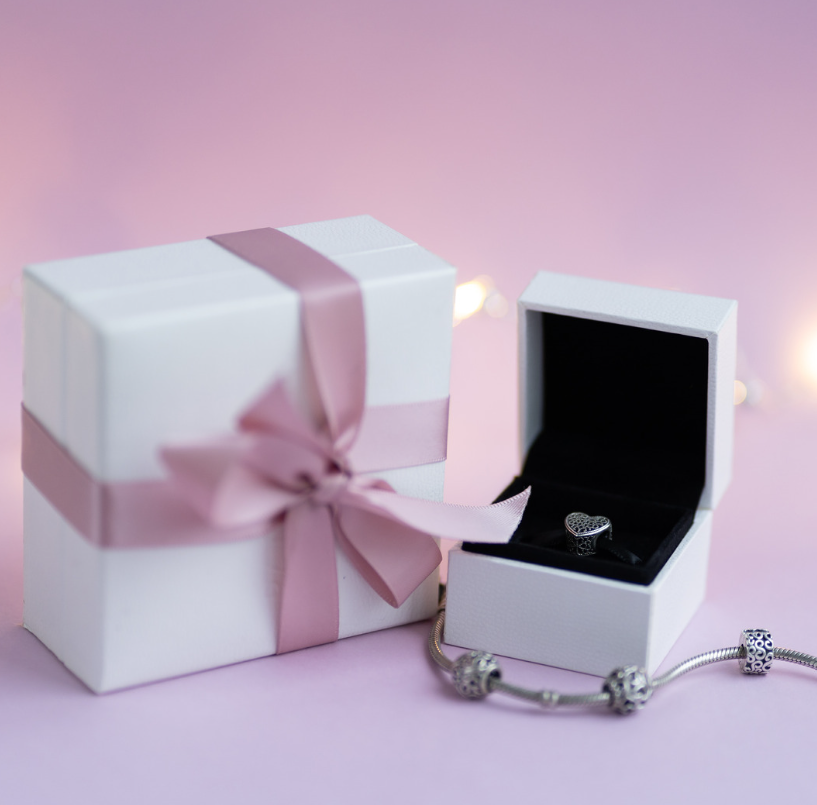
Sustainability in jewelry also requires sustainable packaging. This means that over-the-top packaging is out or at least dialed down. Consumers demand more sustainability and this demand includes the concern for packaging. A survey shows that 64% of consumers are more likely to buy products from a brand that uses sustainable packaging. This figure highlights the need for brands to evolve with time.
For many jewelers, this could be too much to ask, especially since opulent packaging is part of the experience but class and elegance and sustainability can definitely coexist and reinforce one another. An example of this is Tiffany & Co. whose iconic Blue Box underwent a makeover in 2022. Now it’s crafted with 65% recycled content as they commit to eliminating single-use plastic packaging and implementing circular economy principles to reduce material use by 2025.
4. Sustainable jewelry designs
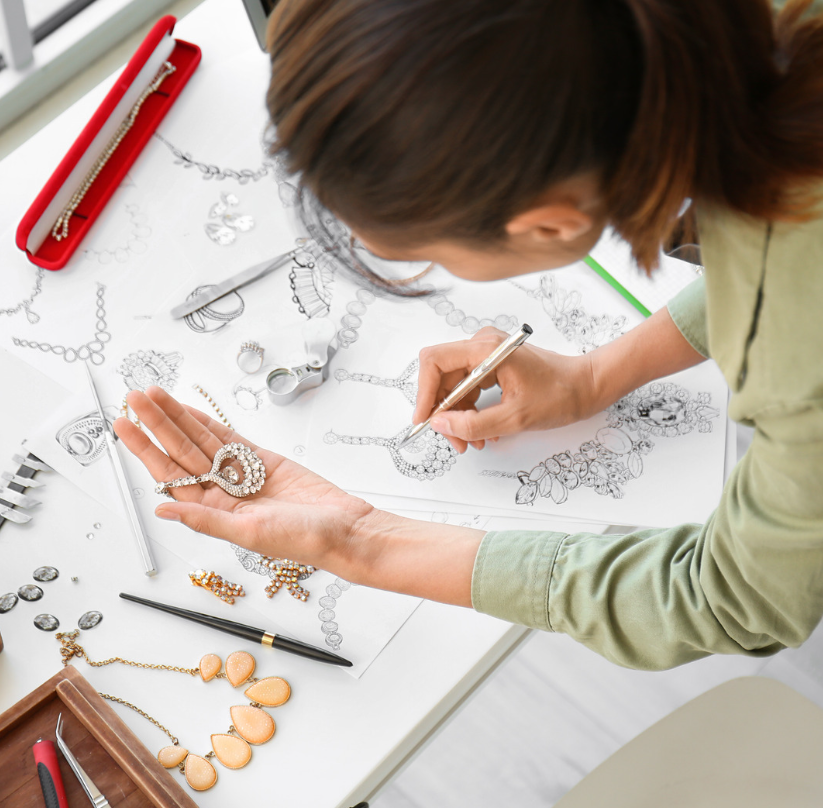
Sustainable jewelry designs positively impact waste reduction efforts. This sustainability effort involves crafting timeless pieces that can be re-worn. modified, or adjusted to encourage long-term use instead of frequent replacements. Another key concept here is the use of recycled precious metals which ultimately reduces the brand’s carbon footprint. Take a look at Pandora, for instance, which now sources 100% recycled silver and gold. By switching to recycled materials, Pandora avoids 58,000 metric tons of carbon dioxide emissions annually.
5. Empowering consumers

Sustainability in jewelry has transformed the industry significantly. Now we see brands connecting with their environmentally and socially conscious consumers by engaging with them and educating them. This education can be done by clearly labeling your eco-friendly and sustainable products on your website or e-commerce shop and giving them the option to customize jewelry pieces with recycled materials and sustainable packaging and shipping alternatives.
Another way to educate them is by publishing Sustainability Reports where you give consumers a glimpse of your sustainability efforts, your goals, and outcomes.
Empowering consumers through engagement, connection, and education is critical to a brand’s story. By committing to this, you support their desire to make sustainable choices and ultimately make sustainable and responsible purchases.
Conclusion
Overall, ethical sourcing and eco-friendly practices are changing the jewelry industry by establishing new ways to do business. By deviating from the traditional to meet consumers of modern times, you are future-proofing your business and helping the whole industry become more resilient.



Leave a Reply