

“How to take photos of diamonds without reflections?”
Reflections—perhaps the bane of every jeweler’s existence.
Photographing diamonds without reflections can be challenging primarily because the stones (and metals) are highly reflective. These materials have physical and optical properties that interact with light in a way that reflects the objects around them. These unwanted reflections, which appear black in your photos, may include human figures and your camera,

Preventing reflections when photographing diamonds requires techniques and the right tools. Diamonds display complex reflections. First, the specular reflection reflects the light off its smooth and polished surface in a single direction; thus, creating sharp and clear images of the objects around them. But that’s not where the complexity ends. Since diamonds are also made up of multiple polished facets that act like tiny mirrors, each facet reflects light from a different angle giving it a kaleidoscope effect where bits of the objects surrounding them are reflected in various parts of the stone. Therefore, the more polished the facets, the stronger the reflection would be.
Needless to say, the very thing that enhances a diamond’s sparkle and brilliance is the same thing that causes these unwanted reflections.
But fret not! In this guide, we’ll give you tips on how to prevent reflections in your diamond photography.
1. Use soft, diffused lighting
When photographing diamonds, a soft, diffused light is the key. These are lights that are filtered by something. It could be anything. For instance, a sheer curtain to diffuse the harsh sunlight or a DIY diffuser to create a soft and even light distribution. Even light is not only flattering for diamonds and other jewelry pieces, it also helps eliminate unwanted shadows and softens reflections; thereby, allowing the camera to capture the brilliance of a diamond without the glares or black reflections.
There are many ways to achieve soft, diffused lighting.
- Use softboxes or lightboxes
Enclosing the diamond in a lightbox with surrounding translucent walls that diffuse the light from external sources creates a soft and even glow around the diamond.
- Reflectors
When using reflectors, knowing where to place them strategically would make a world of difference. They can help fill in the shadows when placed properly surrounding a diamond and produce an even illumination.
- Natural lighting
Nothing beats natural. When relying on sunlight to illuminate your piece, place your diamond near a window but remember to diffuse the light with a sheer curtain. Harsh direct sunlight causes glares and intense reflections.
2. Experiment with a polarizer
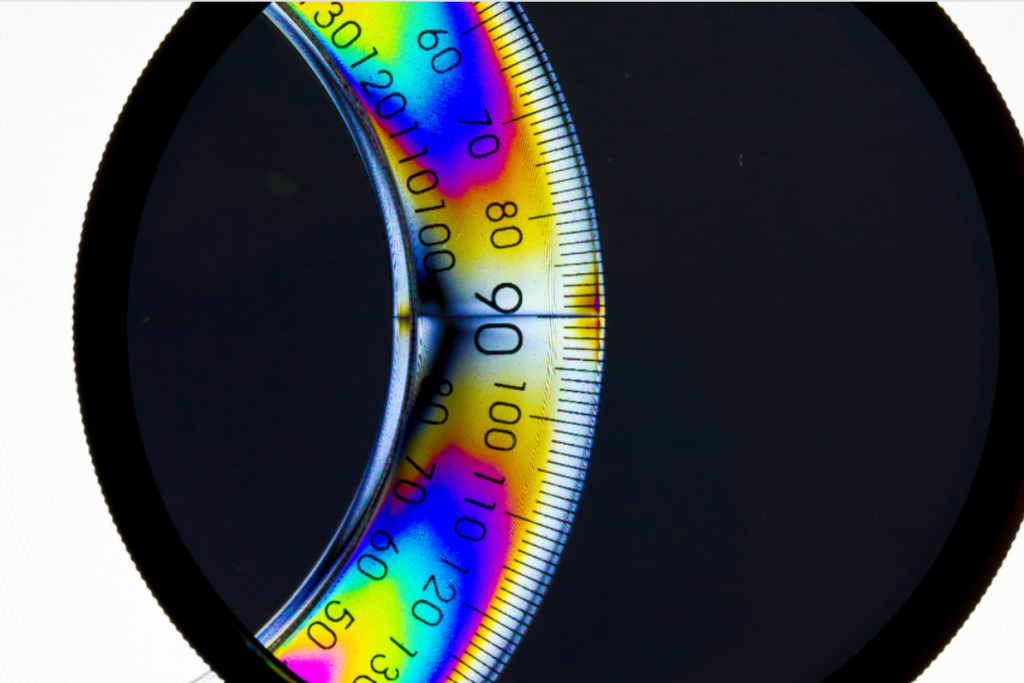
A polarizer is a photographic filter or device used in front of your camera lens to reduce reflections and glares while producing vibrant color in images and enhancing the clarity of a diamond’s facets. Polarizing filters are like bars that block certain lightwaves, especially those reflecting off shiny flat surfaces, and only allow lights that travel in the same direction to pass through. Overall, this controlled light minimizes distractions when photographing.
When choosing a polarizing filter for diamond photography, opt for a circular type. This circular filter screws onto the front of your camera and rotates easily; thereby, allowing you full control of the polarization effect.
3. Position matters

When photographing diamonds without reflections, the position of your lighting and your diamond matters.
As we’ve mentioned at the outset, diamonds are highly reflective because of their polished facets; hence, tilting them at the correct angle is crucial to prevent harsh reflections from bouncing off the camera lens. To do this, you can use a stand, a transparent clamp, or a clip to hold the diamond in the proper position. Additionally, take photos of your diamonds on a white background to emphasize brilliance. Avoid using props that may add or create more unnecessary reflections and shadows.
4. Focus on the details
Another way to eliminate unnecessary distractions is by focusing on details.
A macro lens will help you capture the fine details of a diamond and other gemstones. It focuses on the intricate facets, which then demands better control of your camera angle and light source. This enables you to manipulate the way light interacts with the diamond’s surface; thus, reducing harsh reflections.
Macro photography also means a smaller field of view that greatly limits the reflections of the surrounding objects on the diamond’s facets. Additionally, the shallow depth of field will result in a selective but sharp focus; therefore, keeping the viewers’ attention on the subject.
5. Post-production

When all else fails, your last resort is to do post-editing.
Sometimes no matter how much you try to manage glares, unwanted reflections, and/or shadows, the results may still not be satisfactory enough. In this case, post-editing will help you remove any persistent reflections. In post-production, you can use editing software like Photoshop or Lightroom. However, if this is not your forte, you can always outsource your post-production process to third-party jewelry photo retouchers.
Overall, mastering the techniques of diamond photography requires skills, effort, time, and the right equipment. Moreover, there’s no one-size-fits-all approach to eliminating reflections in your photos as it often entails endless experiments and trial and error. However, with consistent practice, great attention to detail, and using the right tools, you’re guaranteed to capture stunning diamond photos that not only sparkle but also highlight the craftsmanship encapsulated in every piece.




Leave a Reply