
Table of Contents:
- The Buyer Has Changed. Has Your Selling Model?
- Way 1: Your Product Pages Need to Function as Informed Consultants
- Way 2: Your Photography Needs to Answer Questions, Not Just Show Products
- Way 3: Your Brand Story Needs to Earn the Purchase Before the Price Does
- Selling to Intention Requires a Different Kind of Preparation
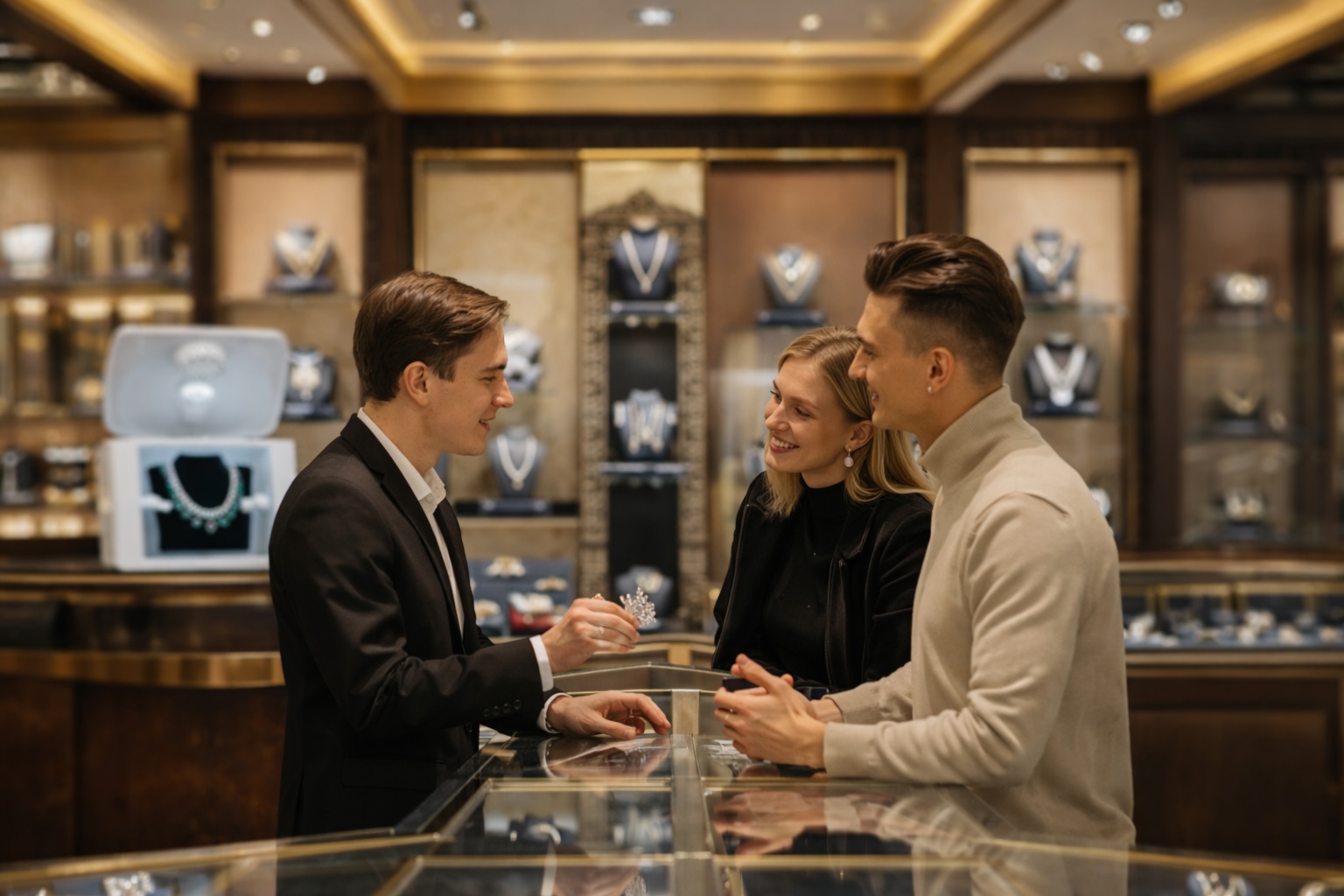
The jewelry buyer has changed. Not gradually, not slightly, but in a way that makes the selling models most jewelers built their operations around less effective than they used to be.
The buyer showing up today researches before they visit. They compare before they commit. They ask questions a product page needs to answer before a sales associate gets the chance. And when they do buy, they buy fewer pieces and spend more intentionally on each one.
“We are seeing a fewer, better things mindset,” says Alexis Padis, president of San Francisco-based Padis Jewelry, “with people buying with intention, not impulse.”

That is not a temporary hesitation driven by economic pressure. It is a permanent recalibration of how jewelry purchases get made. And for operators who have not adjusted their approach, it is a slow and quiet erosion of conversion.
The Buyer Has Changed. Has Your Selling Model?
The impulse buyer was forgiving. They made decisions quickly, responded to promotions, and required less from the brand to close. The intentional buyer is a different conversation entirely.
They arrive informed. They already know roughly what they want, what it should cost, and what separates a good version from a mediocre one. What they are looking for from you, online and in-store, is confirmation that their instinct is right and that your brand is the right place to buy it.
The three shifts below address exactly how to give them that confirmation.
Way 1: Your Product Pages Need to Function as Informed Consultants
In a physical store, your sales team handles the trust-building work. They answer questions, explain craftsmanship, walk a buyer through options, and create the context that turns interest into a decision. Online, your product page does all of that, or it does none of it.
Most jewelry product pages are built to display. A name, a price, a few images, and a short description. That was sufficient when buyers arrived with less information and lower expectations. The intentional buyer arrives expecting to be guided.
What that means in practice: product pages need multiple image angles, contextual lifestyle shots that show scale and drape, detail close-ups that communicate material quality, and copy that explains the story of the piece, its construction, its provenance, its design intent, not just its specifications.
Buyers in 2026 are choosing pieces they intend to keep, pass down, or wear as a daily expression of who they are. The product page that helps them make that decision with confidence is the one that converts. The one that simply displays will not.
Way 2: Your Photography Needs to Answer Questions, Not Just Show Products
The intentional buyer uses images to make decisions the way an in-store buyer uses their hands.
They zoom in to check texture and finish. They look for how a piece sits on the body to understand scale. They study how light moves across the metal to read quality. They compare lifestyle context images to understand whether this piece fits their life, not just a model’s.
A white-background product shot answers one question: does this product exist? It does not answer the questions that actually drive a high-consideration purchase. For that, the image needs to do more.
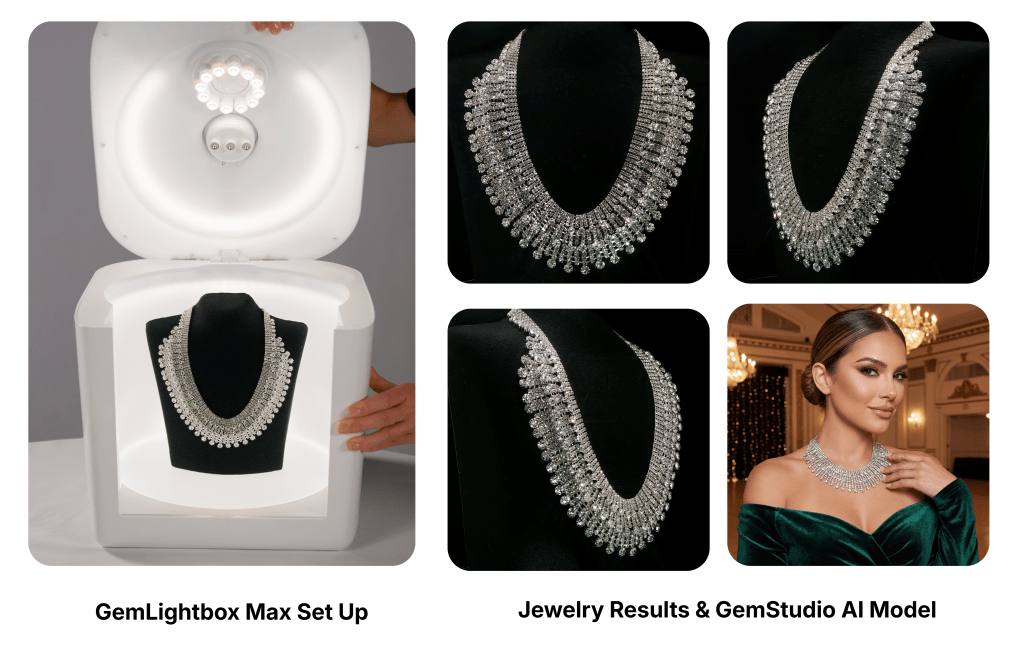
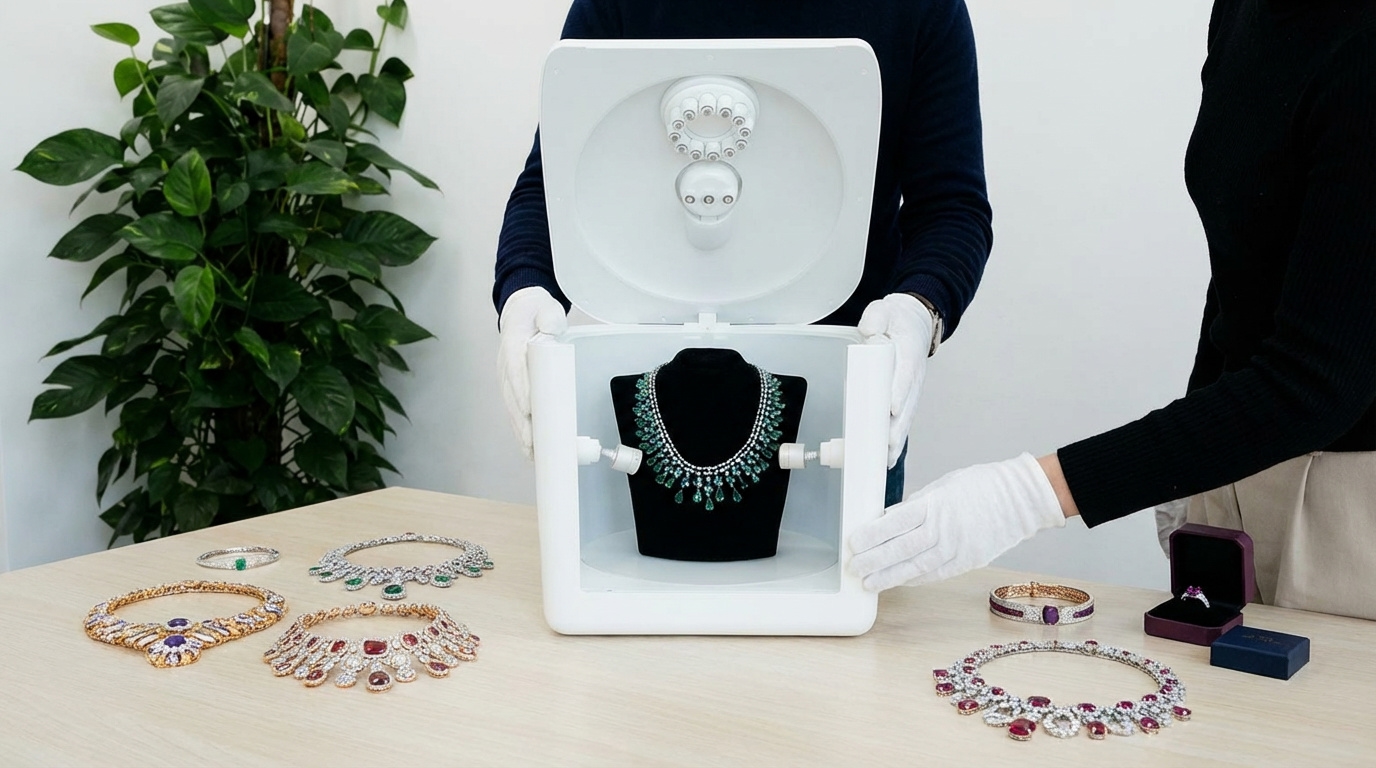
This is precisely where the Elite Kit Max, GemLightbox Max paired with GemCam Pro, changes what is operationally possible for an independent jewelry operator. Together they deliver the complete imaging system: a lightbox that produces consistent, studio-grade captures and a camera solution that captures the detail, texture, and clarity that intentional buyers are looking for before they will commit.
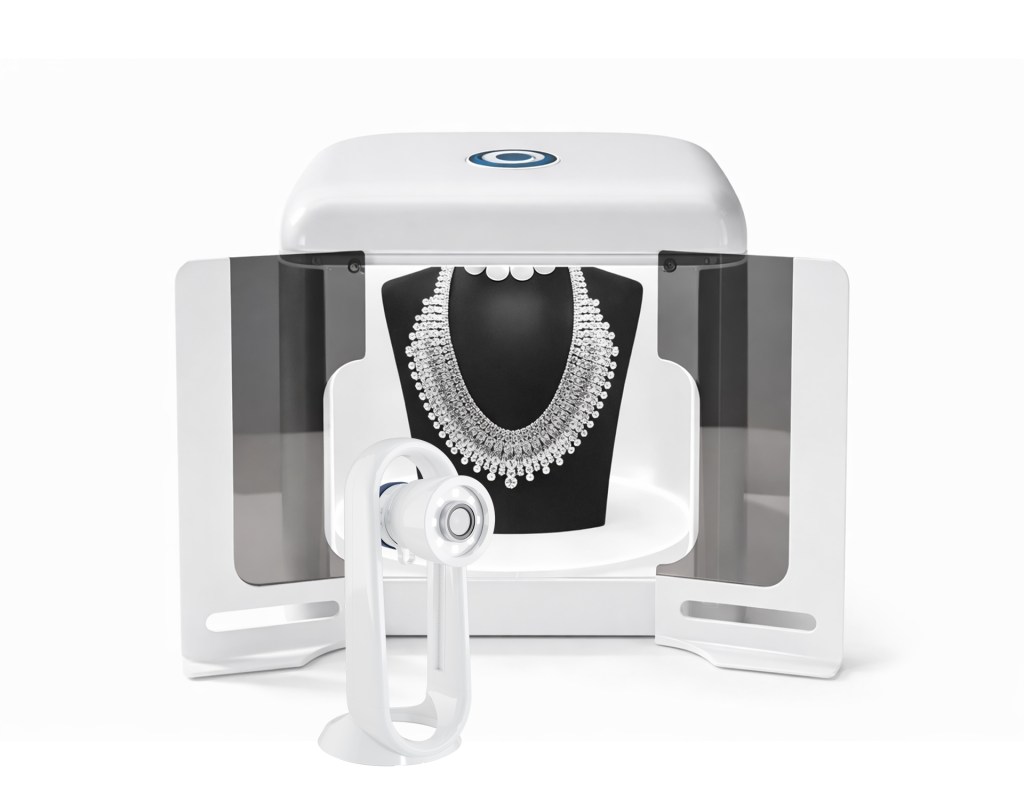
The output is not just better-looking images. It is images that function as the informed sales consultant your product page currently lacks.
Way 3: Your Brand Story Needs to Earn the Purchase Before the Price Does
The intentional buyer is not primarily price-sensitive. They are value-sensitive. There is a meaningful difference.
A price-sensitive buyer looks for the lowest number. A value-sensitive buyer looks for evidence that what they are paying is worth it, and they are looking for that evidence in your brand story, your materials transparency, your design intent, and your consistency across every touchpoint they interact with.
“Today’s buyers want jewelry that feels intentional,” notes Rapaport’s analysis of 2026 jewelry trends. “They look for pieces that reflect identity, mark milestones, and stand the test of time.”
That is what the brand story needs to communicate. Not features. Not promotions. The reason this piece was made, the craft that went into it, and the confidence that it will mean something to the person who wears it long after the purchase is made.
For independent jewelers, this is an advantage, not a challenge. The story behind a piece from a local or independent maker is inherently richer than anything a chain retailer can offer. The operators who are winning with intentional buyers are the ones telling that story consistently and visibly, across their product pages, their social content, and their in-store experience.
Selling to Intention Requires a Different Kind of Preparation
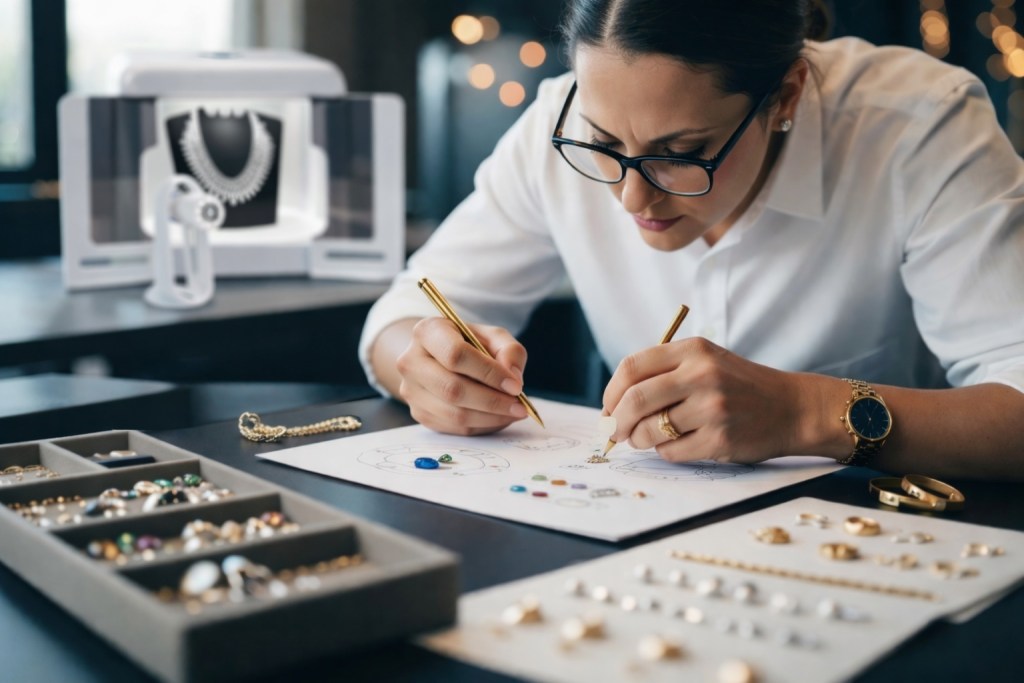
The intentional buyer is not a harder buyer. They are a more prepared one. And they reward the operators who are equally prepared to meet them.
Product pages that guide instead of display. Photography that answers questions instead of just showing product existence. Brand stories that communicate value before price enters the conversation. These are not upgrades. For the buyer that now dominates the jewelry market, they are the baseline.
The operators who build around that baseline are the ones the intentional buyer will consistently choose. The ones who do not are the ones they will research, consider, and walk past.
Sources
- JCK Online, Looking Back on Jewelry Retail in 2025 and Ahead for 2026 https://www.jckonline.com/article-long/jewelry-retail-in-2025-and-2026/
- Jewel360, 7 Trends in Jewelry Retail: What’s Changing in 2026 https://jewel360.com/blog/trends-in-jewelry-retail
- Rapaport, Five Trends Dominating the 2026 Jewelry Market https://rapaport.com/magazine-article/five-trends-dominating-the-2026-jewelry-market/
- Human Design Studios, Why 2026 Is the Year of Intentional Individuality in Fine Jewelry https://humandesignshop.com/intentional-individuality-fine-jewelry-2026/
- Little Treasury Jewelers, 2026 Jewelry Trend Predictions https://littletreasury.com/blogs/blog/2026-jewelry-trend-predictions


Leave a Reply